R U OK Day is a national moment that prompts Australians to check in with the people around them and ask a simple question that can open a real conversation. In workplaces, it often becomes a practical, team-led focus on connection, early support, and a culture where people feel safe to speak up.
This guide covers when it happens, what teams typically do beforehand, and how they can make the day meaningful across Australian offices, worksites, schools, hospitals, and remote teams.
When is R U OK Day held in Australia?
When is R U OK Day, R U OK Day is held on the second Thursday of September each year in Australia. Teams usually mark it on that date, then extend the theme into the week before or after to suit rosters, shifts, and hybrid schedules.
Because it lands on a weekday, many workplaces plan short activities during business hours so participation feels easy and inclusive, including for part-time staff and frontline roles.
Why does the date matter for planning at work?
The fixed timing helps teams plan early and avoid calendar clashes with end-of-quarter deadlines, school term events, and spring leave. R U OK Day also falls after many winter pressures, which can make it a useful prompt to reconnect.
In larger organisations, the date helps internal comms, HR, and wellbeing leads align on a shared message, then tailor it for sites across different states and territories.
SEE ALSO: How Far Ahead Should Corporate Cupcakes Sydney Orders Be Placed?
How do teams usually prepare for R U OK Day?
Most teams prepare by agreeing on a simple aim: encourage genuine check-ins without forcing disclosure. For R U OK Day, preparation is usually light but deliberate, so people feel supported rather than managed.
They often assign a small planning group, confirm what support options exist (EAP, manager pathways, mental health first aiders), and share clear guidance on how to respond if someone says they are not OK.
Who typically leads the planning in Australian workplaces?
Planning is often led by HR, a wellbeing committee, or a people and culture lead, with managers helping deliver it locally. In smaller businesses, an office manager or team leader might coordinate everything for R U OK Day.
The most effective setups include someone responsible for logistics and someone responsible for psychological safety, so the tone stays respectful and not performative.
What should teams communicate before the day?
They should communicate the purpose, the boundaries, and the available support. For R U OK Day, that usually means reminding staff that participation is optional, conversations are private, and managers can help connect them to professional support.
Teams often share a short “how to ask” and “how to listen” note, including what to say if they are worried about someone’s safety, and where to escalate concerns within Australian workplace policies.
How can managers be supported to handle conversations safely?
Managers need clear, practical guidance because they are often the first point of contact. In the lead-up to R U OK Day, workplaces typically provide a short briefing on active listening, staying calm, and avoiding trying to “fix” the problem.
They also clarify what managers can do next: offer time, adjust workload, document appropriately, and refer to EAP or community services, especially if someone is at risk.
What activities do teams usually run on the day itself?
Most teams keep activities simple, social, and low pressure. On R U OK Day, common options include morning tea, a shared lunch, coffee catch-ups, or a five-minute check-in at the start of a team meeting.
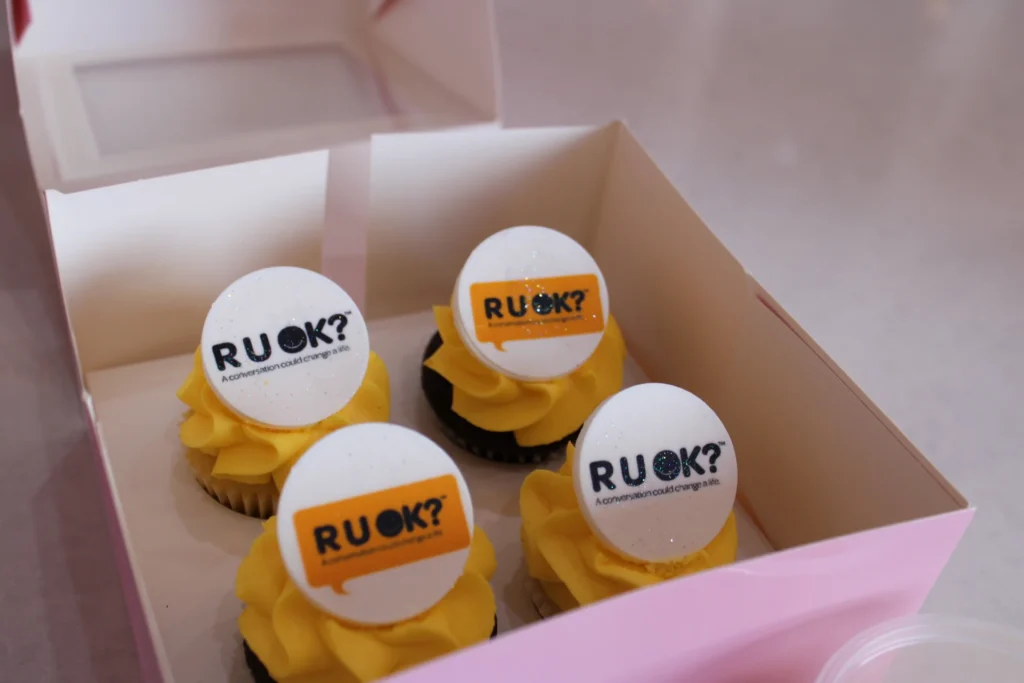
Some workplaces also set up a quiet space for conversations, invite a guest speaker, or share a short story from a leader about help-seeking, provided it is genuine and not used as a branding exercise.
How do remote and hybrid teams prepare differently?
Remote and hybrid teams focus more on scheduling and inclusion. For R U OK Day, they often set up short one-to-one check-ins, optional virtual coffee pairings, and a simple message template to help people reach out without awkwardness.
They also consider time zones, caregiving hours, and meeting fatigue, keeping activities short and offering asynchronous options like a shared resource page and private ways to ask for support.
How do teams include shift workers and frontline staff?
In hospitals, aged care, logistics, construction, and retail, availability is the main barrier. For R U OK Day, teams often run multiple small touchpoints across shifts rather than a single central event.
They might provide grab-and-go packs in break rooms, roster short check-ins, and ensure supervisors on every shift know the escalation pathway if someone asks for help.
What should teams avoid doing when preparing?
They should avoid turning it into a compliance exercise, a forced sharing session, or a single day that replaces year-round care. For R U OK Day, teams can also cause harm if they promote the message but do not back it with real support, time, or safe reporting channels.
They should also avoid public “call outs” of individuals, overly personal icebreakers, or pressuring people to disclose mental health details at work.
What resources and support pathways should be ready in Australia?
Teams should know their internal options and external services, and make them easy to find. Around R U OK Day, many workplaces re-share their EAP details, manager support processes, and any mental health first aid contacts.
They also commonly list Australian services such as Lifeline (13 11 14), Beyond Blue (1300 22 4636), and 000 for emergencies, presented in a calm, non-alarming way.
How can teams make the day culturally safe and inclusive?
They can use plain language, allow privacy, and respect different ways people communicate. For R U OK Day, inclusion also means considering Aboriginal and Torres Strait Islander staff, culturally and linguistically diverse teams, and people with disabilities who may prefer written communication.
Teams often offer multiple participation options, avoid assumptions about family structures, and encourage asking permission before starting a deeper conversation.
How do teams measure whether it helped without overstepping?
They usually look for light signals rather than personal data. After R U OK Day, teams might track attendance, collect anonymous feedback, and review whether support channels were used, without trying to identify who accessed help.
Some teams also watch for indirect indicators: improved manager confidence, more regular check-ins, and whether staff know where to go if they or a colleague are not OK.
How can teams keep momentum after R U OK Day?
They can turn a single event into a habit. After R U OK Day, many teams schedule regular check-ins, refresh manager training quarterly, and weave wellbeing into existing rhythms such as one-to-ones and performance conversations.
They also normalise small acts: noticing changes, asking twice, and making time to listen, so support does not depend on one date in September.
What does a simple preparation timeline look like?
A short timeline keeps planning realistic. Four to six weeks before R U OK Day, teams usually confirm a lead, choose one or two activities, and check support pathways.
One to two weeks out, they brief managers, share communications, and order any catering. On the day, they keep it short and human. In the week after, they share resources again and invite anonymous feedback.
What is the main takeaway for workplaces?
R U OK Day works best when teams treat it as a prompt, not a performance. If they prepare with clear support pathways, manager confidence, and inclusive options, the day can strengthen trust and make real conversations more likely.
Most importantly, teams get the best outcomes when they continue the habit beyond R U OK Day, so asking and listening becomes part of everyday Australian work culture.
FAQs (Frequently Asked Questions)
When is R U OK Day held in Australia and why is the date important for workplaces?
R U OK Day is held annually on the second Thursday of September in Australia. The fixed timing helps workplaces plan early, avoid clashes with other events or deadlines, and align internal communications across different locations. It also serves as a timely prompt to reconnect after winter pressures, making participation easier and more inclusive during business hours.
How do Australian workplaces typically prepare for R U OK Day?
Preparation usually involves setting a simple aim to encourage genuine check-ins without forcing disclosure. Teams often assign a small planning group, confirm available support options such as Employee Assistance Programs (EAP) and mental health first aiders, and share clear guidance on how to respond if someone indicates they are not okay. This light but deliberate preparation ensures people feel supported rather than managed.
Who usually leads the planning of R U OK Day activities in Australian organisations?
Planning is commonly led by Human Resources (HR), wellbeing committees, or people and culture leads, with managers supporting delivery locally. In smaller businesses, an office manager or team leader may coordinate the event. Effective planning includes roles focused on logistics and psychological safety to maintain a respectful tone that avoids performative actions.
What types of activities are commonly run on R U OK Day in workplaces?
Most teams opt for simple, social, and low-pressure activities such as morning teas, shared lunches, coffee catch-ups, or brief check-ins at the start of meetings. Some workplaces provide quiet spaces for conversations or invite guest speakers who share genuine stories about help-seeking. Activities are designed to be inclusive and meaningful without feeling forced.
How can remote, hybrid, shift workers and frontline staff be included in R U OK Day initiatives?
Remote and hybrid teams focus on scheduling short one-to-one check-ins, virtual coffee pairings, and providing message templates to facilitate reaching out comfortably. For shift workers and frontline staff in sectors like hospitals and retail, multiple small touchpoints across shifts are arranged instead of single events. Grab-and-go packs in break rooms and supervisor awareness of escalation pathways help ensure accessibility for all employees.
What should teams avoid when preparing for R U OK Day to ensure it remains effective and supportive?
Teams should avoid turning R U OK Day into a compliance exercise or forcing personal disclosures. It should not replace ongoing year-round care or promote messages without backing them up with real support options and safe reporting channels. Publicly calling out individuals, using overly personal icebreakers, or pressuring staff to share mental health details can cause harm and should be avoided.
About the Author