To make choices easier, it helps to start with the child’s age, interests, and any allergies in the family, then build the basket around a simple theme.
What makes a kids’ Easter basket feel special?
It feels special when it looks thoughtful, not expensive. A clear theme, a couple of personalised touches, and items at different “sizes” create that excited, treasure-hunt feeling.
Most baskets land well with one larger item, two to four medium items, and a handful of small fillers. A note or name tag also makes it feel like it was made just for them.
Should the basket be all chocolate and sweets?
No, and most families find it works better when it is not. A basket that is entirely sugary treats can feel overwhelming and is usually forgotten quickly once the chocolate is gone.
A balanced basket might include one chocolate bunny or egg, plus non-food items like stickers, bubbles, a small toy, and a book. This keeps the fun without turning it into a sugar-only event.
What are the best chocolate and sweet options for kids?
The best choices are simple, age-appropriate, and easy to share. Mini eggs, a small bunny, a handful of wrapped chocolates, and one “special” egg are usually plenty.
If there are younger children involved, families often prefer larger items that are less of a choking risk and avoid hard sweets. It also helps to check ingredient labels for gelatine, nuts, and common allergens.
What non-chocolate treats can go in an Easter basket?
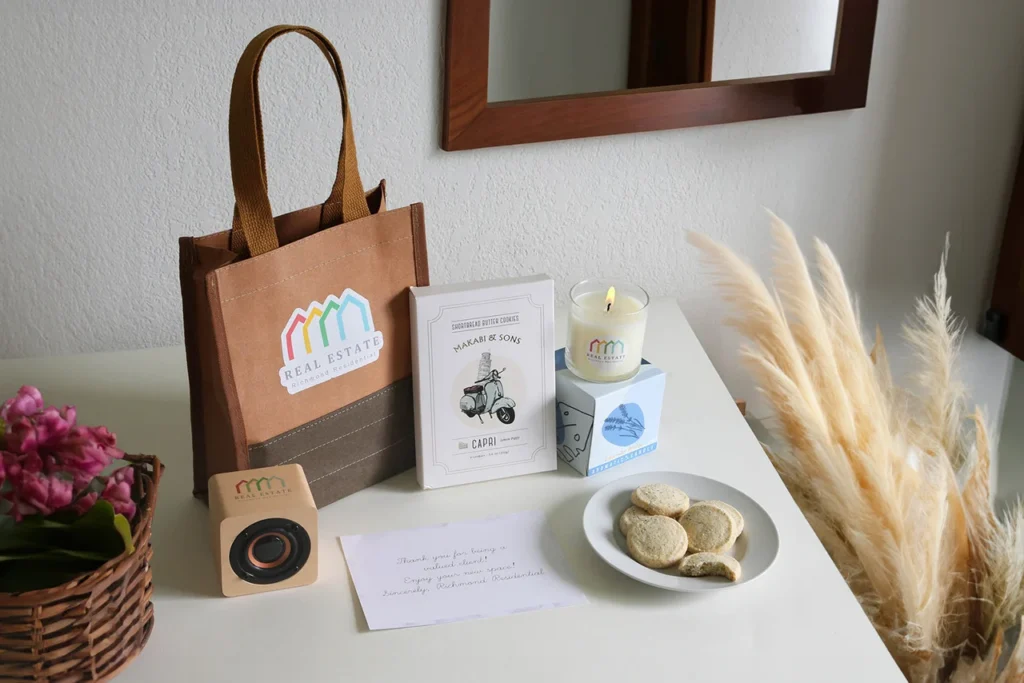
Non-chocolate inclusions within easter gift baskets are ideal for adding variety and supporting families looking to limit sugar intake. Options like fruit snacks, mini popcorn bags, Easter-themed biscuits, or yoghurt-coated bites allow easter gift baskets to remain festive while broadening appeal.
For a lighter, experience-led approach, some easter gift baskets include a “coupon” for pancakes, a picnic, or choosing dessert one night. These additions can deliver comparable excitement to sweets, particularly for older kids.
What small toys and trinkets actually get used?
The best fillers are the ones kids reach for again. Bubbles, pavement chalk, bath crayons, a small slime pot, a spring-themed fidget, or a set of mini figures usually land well.
Sticker sheets, temporary tattoos, and colouring supplies are also reliable because they create an activity straight away. It helps if each item can be used without complicated set-up.
What crafts and activities fit perfectly in a basket?
Craft items are perfect because they turn the basket into something to do. Small packs of felt pens, watercolour sets, Easter stampers, pom-poms, glue sticks, and a simple craft kit work well.
Activity books are an easy win too: mazes, word searches, dot-to-dots, or “paint with water” pads for younger kids. They keep kids busy while the rest of the day is happening.
Which books are good Easter basket additions?
Books make a basket feel calmer and more meaningful, and they last. Picture books suit toddlers and preschoolers, while early readers and short chapter books work well for primary-age kids.
Spring or animal themes fit naturally, but the best choice is simply something matched to their interests. A book plus a cosy item, like socks, can make the basket feel especially considered.
What practical items belong in an Easter basket?
Practical items are useful when they still feel like a treat. New socks with rabbits, a fun toothbrush, hair accessories, a water bottle, or a small lunchbox item can all work.
For spring, families often add sunglasses, a sun hat, or a lightweight cap. These items get used immediately as the weather improves, so they do not feel like clutter.
How can they personalise an Easter basket without spending much?
Personalisation can be small and still feel big. A name tag, a handwritten card, or one item chosen around the child’s favourite character or colour makes the basket feel tailored.
Some also include a photo of a shared memory or a “voucher” for time together, like baking or a bike ride. It adds warmth and meaning without adding cost.
What should they include for toddlers?
For toddlers, the safest baskets focus on bigger, simpler items. Board books, plush bunnies, stacking cups, bath toys, chunky crayons, and large stickers are good options.
If sweets are included, families often keep it minimal and age-appropriate. They also tend to avoid tiny plastic pieces and choose items that can survive being chewed, dropped, or washed.
What should they include for primary school kids?
Primary school kids tend to enjoy a mix of treats and activities. A small chocolate egg, a craft kit, a mini game, and something to play with outdoors creates a good balance.
They also like “collectible” items such as trading cards, mini figures, and stationery sets. One slightly bigger surprise, like a small LEGO set or a skipping rope, can anchor the basket.
What should they include for tweens who think they are too old?
Tweens usually want the basket to feel less “babyish” and more grown-up. Skincare minis, nail varnish, socks, a water bottle, a gift card, or a small book series addition often works well.
Snack-style treats, like fancy biscuits or hot chocolate sachets, can feel more mature than novelty sweets. Keeping the theme simple and the items useful helps it land.
How can they build allergy-friendly or sugar-free baskets?
They can build around non-food items first, then add safe treats if needed. Craft supplies, books, toys, and outdoor items can make a full basket without any food at all.
If food is included, it helps to choose clearly labelled options and avoid cross-contamination. Many families also keep a separate “safe treat box” so kids never feel left out.
What are good outdoor and spring-themed basket ideas?
Outdoor items suit Easter perfectly because spring invites kids outside. Chalk, bubbles, a kite, a skipping rope, a frisbee, or a small ball are easy additions.
Gardening-themed items also work well: a kid-sized trowel, seed packets, or a small pot to decorate. These give the basket a seasonal feel and create an activity for later.
How much should they put in an Easter basket?
Enough to feel generous, not so much that it becomes a second Christmas. A good rule is one main item, a few medium items, and a handful of fillers.
Keeping it smaller also makes it easier to choose better-quality items. It reduces waste and avoids the “too much to enjoy” problem that can happen when baskets are overpacked.
What are the most common mistakes to avoid?
The biggest mistake is stuffing it with random fillers that end up in a drawer. Another is choosing items that are not age-appropriate, especially tiny toys for younger children.
It also helps to avoid too many chocolate duplicates and overly noisy toys if the household prefers calmer play. A simple theme and a short list usually create the best basket.
What is a simple formula they can follow every time?
They can follow a straightforward build: something to eat, something to do, something to keep, and something to wear. This keeps the basket balanced and easy to plan.
For example, a small chocolate egg, a sticker or craft set, a book or toy, and fun socks can suit many ages. Then they can add one personalised touch to finish it.
FAQs (Frequently Asked Questions)
What makes a kids’ Easter basket feel special and thoughtful?
A kids’ Easter basket feels special when it looks thoughtful rather than expensive. Incorporating a clear theme, personalised touches, and items of varying sizes creates an exciting treasure-hunt experience. Typically, including one larger item, two to four medium items, and several small fillers, along with a note or name tag, makes the basket feel uniquely made for the child.
Should an Easter basket for children be filled entirely with chocolate and sweets?
No, it’s best not to fill the basket solely with sugary treats. A balanced Easter basket might include one chocolate bunny or egg alongside non-food items like stickers, bubbles, small toys, or books. This variety keeps the fun alive without making it a sugar-only event that can be overwhelming and quickly forgotten once the sweets are gone.
What are suitable chocolate and sweet options for kids’ Easter baskets?
Suitable chocolate treats are simple, age-appropriate, and easy to share. Mini eggs, a small chocolate bunny, a handful of wrapped chocolates, and one special egg usually suffice. For younger children, larger items that reduce choking risks and avoid hard sweets are preferred. Always check ingredient labels for gelatine, nuts, and common allergens to ensure safety.
Which non-chocolate treats work well in an Easter basket?
Non-chocolate treats add variety and suit families limiting sugar intake. Options include fruit snacks, mini popcorn bags, Easter-themed biscuits, yoghurt-coated bites, or even experience-based “coupons” like pancakes or picnics. These alternatives maintain a festive feel and can be especially exciting for older children. For a deeper breakdown of what elevates a gift from generic to meaningful, explore what actually makes a hamper for Mum memorable.
What small toys and trinkets are practical and engaging for kids in Easter baskets?
The best fillers are those kids will use repeatedly without complicated set-up. Popular choices include bubbles, pavement chalk, bath crayons, small slime pots, spring-themed fidget toys, mini figures, sticker sheets, temporary tattoos, and colouring supplies. These items encourage immediate play and creativity.
How can I personalise an Easter basket without spending much money?
Personalisation can be simple yet impactful. Adding a name tag or handwritten card makes the basket feel tailored. Including one item based on the child’s favourite character or colour adds a personal touch. Additionally, adding a photo of a shared memory or a ‘voucher’ for time together—like baking or bike rides—adds warmth and meaning without extra cost.
About the Author