


This guide explains the clearest signs, the real risks, and when to call a rodent exterminator in Sydney before the situation spreads through walls, ceilings, and neighbouring lots.
What early signs suggest rodents are already active?
If there are droppings, scratching sounds at night, or new gnaw marks, a professional rodent exterminator Sydney should be contacted, as rodents are not just “passing through”. They are feeding, nesting, and mapping safe routes between food, water, and shelter.
Common early signs include small dark droppings in cupboards or along skirting boards, greasy rub marks on walls, shredded paper or insulation, and pet agitation near certain rooms. A musty smell can also signal a hidden nest.
How quickly can rodents turn into a bigger infestation?
Rodents scale fast because they reproduce quickly and adapt to human spaces. What looks like a single mouse can become multiple nesting sites across the roof void, subfloor, garage, and kitchen within weeks.
In Sydney’s dense suburbs and mixed housing, rodents also move easily between properties via fences, trees, shared walls, and stormwater lines. Delay often means the problem expands beyond one room into the building structure.
What damage can rodents cause before anyone even sees them?
Rodents often do their worst damage out of sight. They chew constantly to wear down their teeth, and that habit targets wiring, insulation, timber, plastic pipework, and stored items.
Electrical cable damage is one of the biggest concerns because it increases fire risk. They can also tear ducting and insulation, which affects heating and cooling efficiency. In pantries and storerooms, contamination can force disposal of food and packaging, even if only small areas look affected.
When should a Sydney property owner call a rodent exterminator?
They should call as soon as there is confirmed evidence, not after repeated sightings. One clear sign is enough because by the time rodents are visible in daylight, pressure in the nest is often high.
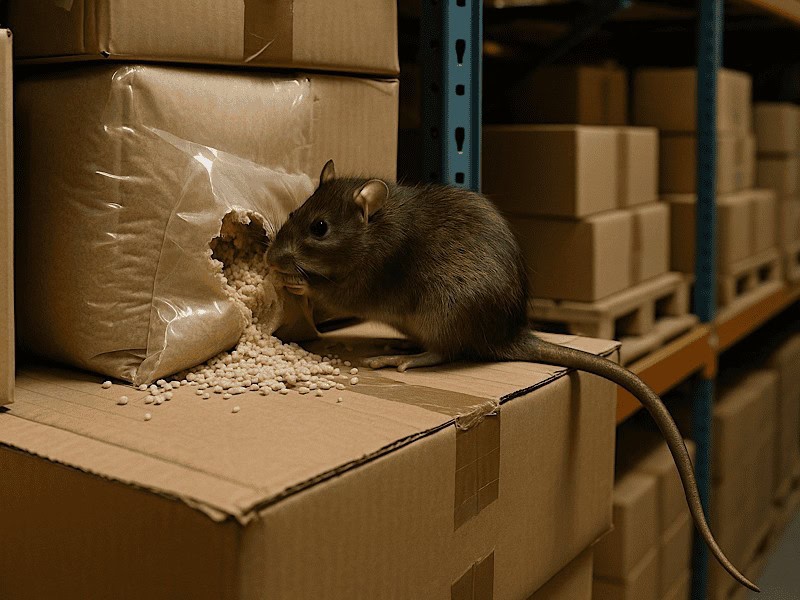
They should also act immediately if there are children, elderly residents, or pets in the home, or if the property includes food handling such as cafés, restaurants, warehouses, or strata-managed bin rooms. In these settings, the cost of delay is usually higher than the cost of a fast response.
Why do DIY baits and traps often fail in Sydney homes?
DIY methods can work for a very small, contained issue, but they often miss the core problem. The usual failure is focusing on killing what is seen while leaving entry points, harbourage, and food sources untouched.
Poor bait placement, incorrect bait type, and bait shyness can reduce results. There is also the risk of secondary poisoning for pets and wildlife if products are misused. Even when traps catch a few rodents, survivors may relocate deeper into the structure and become harder to remove.
What makes Sydney properties particularly vulnerable to rodents?
Sydney’s climate and housing mix give rodents plenty of opportunity. Roof voids, older timber features, renovations that leave gaps, and gardens close to structures create ideal nesting and travel routes.
Common attractants include unsecured bins, compost, pet food left out overnight, fruit trees, bird feeders, and cluttered storage areas. Construction activity in neighbouring streets can also displace rodents, pushing them into nearby homes and commercial buildings.
How can they tell if the issue is mice, rats, or both?
They can often tell by droppings size, noise, and damage patterns, but confirmation matters because treatment changes. Mice leave smaller droppings and can fit through gaps as small as a pencil width, while rats tend to be louder, more destructive, and leave larger droppings.
Rats may burrow outdoors near sheds, retaining walls, and garden beds, then enter via broken vents or gaps around pipes. Mixed infestations are possible, especially where food sources are consistent and access is easy.
What should they expect from a professional rodent extermination visit?
A proper service should start with inspection, not just baiting. The exterminator typically identifies species, tracks, nesting zones, entry points, and the conditions that are sustaining activity.
From there, they may use a combination of targeted baiting, trapping, and exclusion recommendations. They should also explain where products are placed, how risks are managed around children and pets, and what monitoring will happen next. A follow-up is often necessary to confirm the activity has stopped. Click here to get about how to choose between pest control companies Sydney.
How can they stop rodents from coming back after treatment?
They should treat prevention as part of the job, not an optional extra. If access and attractants remain, rodents can return even after a successful knockdown.
Key steps include sealing gaps around pipes and eaves, repairing vents, fitting door sweeps, and improving bin hygiene. Food should be stored in sealed containers, pet bowls cleared overnight, and clutter reduced in garages and under sinks. For strata and commercial sites, coordinated waste control and regular monitoring are usually essential.
What is the clearest rule for when to act before damage spreads?
They should act at the first verified sign, not when the noise becomes constant or the smell becomes obvious. Rodents thrive on delay because every quiet week is time to breed, gnaw, and expand into harder-to-reach areas.
If they suspect activity, a rodent exterminator in Sydney can confirm the source quickly and prevent the hidden damage that often costs far more to repair later.
FAQs (Frequently Asked Questions)
What are the earliest signs that indicate rodents are active inside a Sydney property?
Early signs of rodent activity include finding small dark droppings in cupboards or along skirting boards, hearing scratching noises at night, spotting new gnaw marks, noticing greasy rub marks on walls, shredded paper or insulation, pet agitation near certain rooms, and detecting a musty smell which may signal a hidden nest.
How rapidly can a rodent problem escalate into a larger infestation in Sydney homes?
Rodents reproduce quickly and adapt well to human environments, meaning what appears as a single mouse can multiply into multiple nesting sites across roof voids, subfloors, garages, and kitchens within weeks. In Sydney’s dense suburbs, rodents can easily move between properties via fences, trees, shared walls, and stormwater lines, causing infestations to spread beyond one room into the building structure if not addressed promptly.
What types of damage can rodents cause before their presence is even noticed?
Rodents cause damage by constantly chewing to wear down their teeth, targeting electrical wiring (which increases fire risk), insulation, timber, plastic pipework, and stored items. They can tear ducting and insulation affecting heating and cooling efficiency. Contamination in pantries and storerooms often forces disposal of food and packaging even if visible damage appears minimal.

When should property owners in Sydney contact a professional rodent exterminator?
Property owners should call a rodent exterminator as soon as there is confirmed evidence of rodents—one clear sign is sufficient. Immediate action is crucial especially if children, elderly residents or pets live in the home or if the property involves food handling like cafés or restaurants. Early intervention prevents the problem from escalating and spreading through walls and neighbouring properties.
Why do DIY rodent control methods often fail in Sydney homes?
DIY baits and traps frequently fail because they focus only on killing visible rodents without addressing entry points, harbourage areas, and food sources. Incorrect bait placement or type and bait shyness reduce effectiveness. There is also risk of secondary poisoning to pets and wildlife. Surviving rodents may relocate deeper into structures making removal more difficult.
What measures can be taken to prevent rodents from returning after professional treatment?
Preventative steps include sealing gaps around pipes and eaves, repairing vents, fitting door sweeps, improving bin hygiene by securing waste properly, storing food in sealed containers, clearing pet bowls overnight, reducing clutter in garages and under sinks. For strata-managed or commercial sites, coordinated waste control and regular monitoring are essential to keep rodents away long-term.