

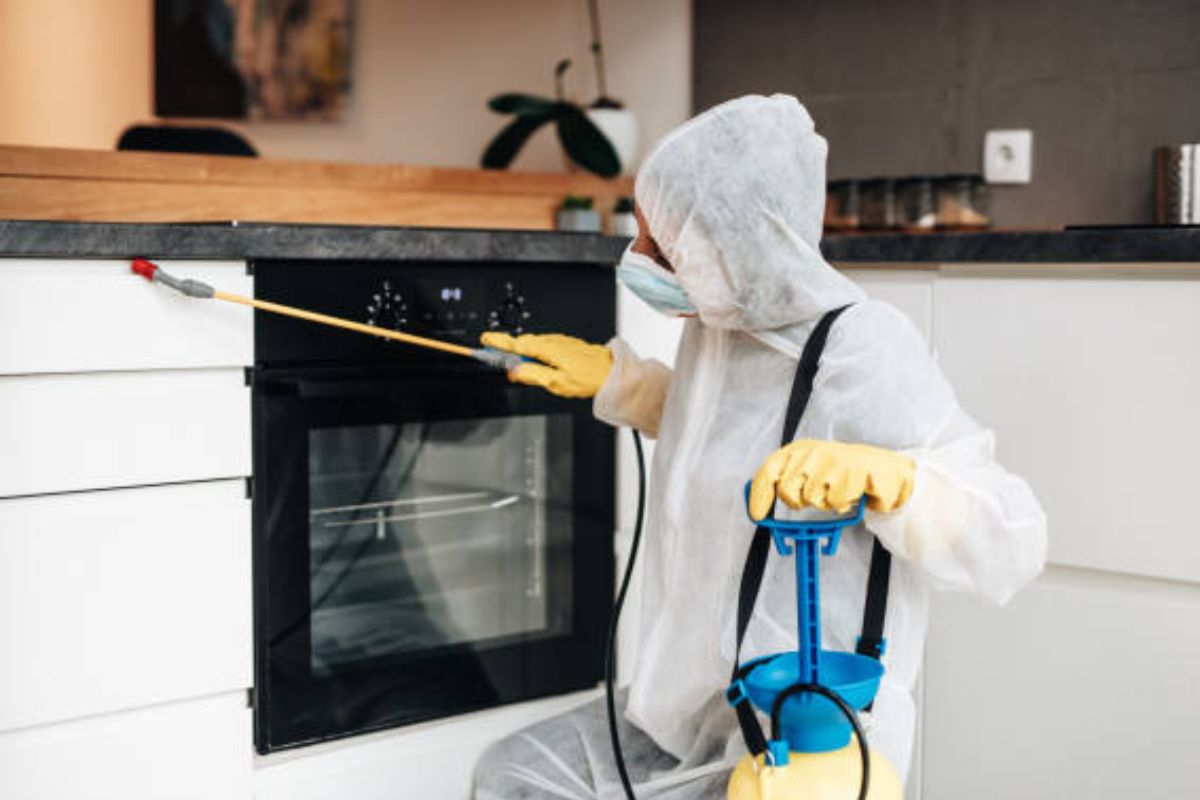
This guide walks through the checks that matter most, so they can compare quotes properly and avoid paying for treatments that do not solve the root problem.
What pest problem are they actually solving?
Professional pest control services Sydney services should identify the exact pest, the likely entry points, and the conditions keeping it active. A reputable company will not guess from a phone call alone if the issue could be complex, such as termites, bed bugs, or recurring rodents.
They should also explain whether they are treating symptoms or removing the cause. For example, spraying ants without addressing nests, moisture, or food access often leads to repeat callouts.
Are they licensed, insured, and compliant in New South Wales?
They should be able to confirm they use licensed technicians for the work being performed and that they carry public liability insurance. This is especially important for strata buildings, childcare settings, hospitality venues, and any job involving roof voids or confined spaces.
They should also be clear about chemical handling, safety data sheets, and any re-entry times. If they seem evasive, it is usually a sign to keep looking.
How do they inspect, and do they explain what they find?
They should describe their inspection steps before quoting. For many homes, that includes checking roof voids, subfloors, wet areas, garden edges, and known entry points like weep holes and service penetrations.
Afterwards, they should provide a clear explanation of findings in plain language. If they cannot explain where the pests are coming from, the quote is often just a generic treatment package rather than a targeted plan.
What treatment method will they use, and is it the least invasive option?
They should outline the method, products, and expected outcomes, including what it will not fix. For example, termites often require baiting, barriers, or targeted drilling depending on the structure and activity, not a single “spray”.
They should also prioritise integrated pest management, which combines exclusion, sanitation advice, habitat reduction, and limited chemical use. This usually gives longer-lasting results and reduces unnecessary exposure.
What is included in the quote, and what costs extra?
They should provide an itemised quote that clarifies exactly what areas are covered and whether follow-up visits are included. It should state the pests covered, the treatment scope, and any limits, such as “up to X bait stations” or “single visit only”.
They should also flag common add-ons upfront, such as roof access fees, extra baiting, termite monitoring plans, or sealing work. If the quote is one line with a total price, comparing companies becomes guesswork.
What guarantees or warranties do they offer, and what are the conditions?
They should define the guarantee in writing, including the time period and what triggers a free return visit. Many guarantees are conditional on access, hygiene, and structural factors, so they should explain those clearly.
They should also be honest about pests that are difficult to guarantee fully, like German cockroaches in multi-unit buildings where neighbouring units can reintroduce them. A realistic warranty is more valuable than a bold promise.
How do their reviews read when they are filtered for the same pest?
They should have recent reviews that mention the specific pest problem, not just general praise. It is worth checking whether reviewers mention follow-up support, punctuality, clear communication, and lasting results.
They should also be consistent across platforms. One perfect rating on a single site can be misleading, but patterns across Google, local directories, and community pages tend to be more reliable.
How quickly can they attend, and do they offer aftercare advice?
They should be able to give a realistic timeframe, especially during peak season in warmer months. Speed matters for urgent issues like wasps, rodents, or bed bugs, but it should not replace proper inspection and preparation.
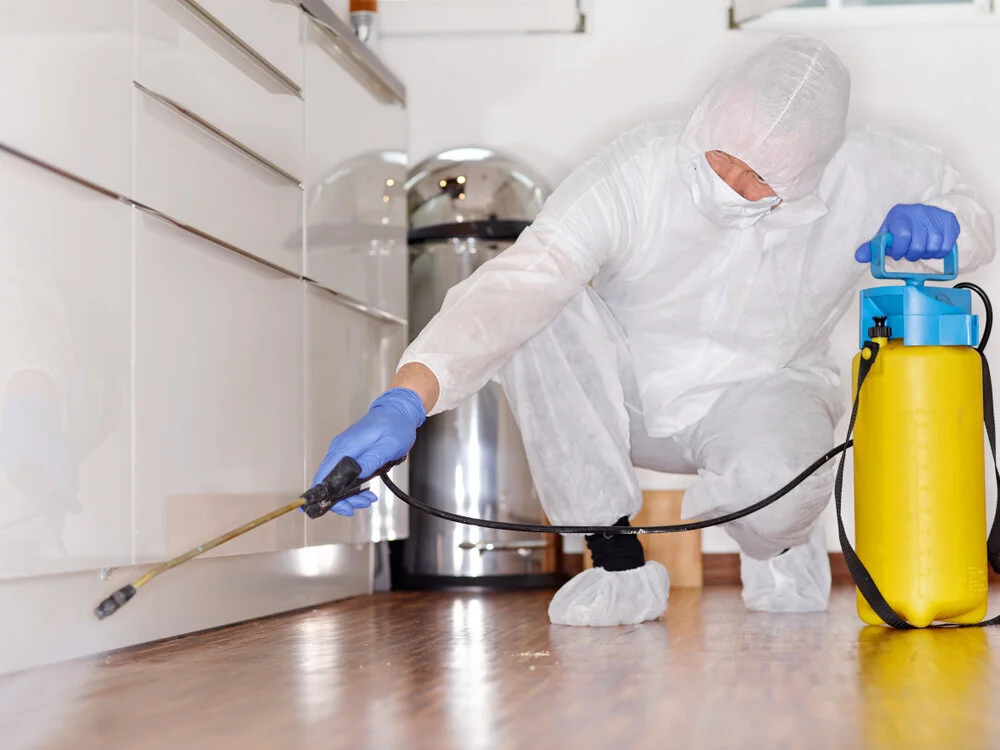
They should also provide aftercare instructions, such as cleaning guidance, pet safety, drying times, and prevention steps. The best companies reduce repeat infestations by teaching clients how to remove attractants and block entry points. Click here to get about rodent exterminator Sydney: when to act before damage spreads.
Are they experienced with Sydney-specific conditions and building types?
They should understand local pest pressures and how property style changes risk. Coastal humidity can increase cockroach and mould-related issues, older terraces may have more access points, and newer builds can still have termites if conditions are right.
They should also be familiar with strata processes if applicable, including access permissions and reporting. Local experience tends to show up in how quickly they spot likely causes.
Do they communicate clearly, or do they rely on pressure tactics?
They should answer questions directly, explain options, and let clients decide without urgency games. If they push “today only” pricing, refuse to send details in writing, or avoid explaining chemicals and risks, that is a red flag.
They should also be transparent about what preparation is needed. For instance, clutter reduction for rodents or laundry protocols for bed bugs can be essential, and any company downplaying prep may be setting the job up to fail.
What is the simplest way for them to choose confidently?
They can choose confidently by shortlisting two or three companies and comparing them on the same criteria. The best pick is usually the one that provides a clear inspection process, a targeted treatment plan, itemised pricing, and a written warranty with realistic conditions.
If the company sounds organised before they arrive, they are more likely to be organised during treatment and follow-up. In pest control, that difference is often what prevents the problem from coming back.
FAQs (Frequently Asked Questions)
What should I expect from a professional pest control company in Sydney regarding their inspection process?
A reputable pest control company will thoroughly inspect your property, including roof voids, subfloors, wet areas, garden edges, and known entry points like weep holes and service penetrations. They should clearly explain their findings in plain language to ensure you understand the source of the pest problem before providing a targeted treatment plan.
How can I verify if a pest control provider in New South Wales is licensed and insured?
You should confirm that the company employs licensed technicians for the specific work and carries public liability insurance. They must adhere to chemical handling regulations, provide safety data sheets, and communicate any necessary re-entry times. If they are evasive about these details, it’s advisable to consider other providers.
What treatment methods do effective pest control companies use for pests like termites or ants?
Effective companies use integrated pest management strategies that combine exclusion, sanitation advice, habitat reduction, and limited chemical use. For termites, treatments may include baiting, barriers, or targeted drilling depending on the structure and activity. Simply spraying pests like ants without addressing nests or environmental factors often leads to repeat infestations.
How should a detailed pest control quote be structured to avoid hidden costs?
A detailed quote should be itemised, specifying exactly which areas are covered, the pests treated, scope of treatment, and any limitations such as ‘up to X bait stations’ or ‘single visit only’. It should also disclose common extra charges upfront like roof access fees or termite monitoring plans. Avoid quotes that only provide a lump sum without clear breakdowns.
What kind of guarantees or warranties can I expect from a reliable Sydney pest control service?
Reliable companies provide written guarantees outlining the time period covered and conditions for free return visits. They transparently explain any factors affecting the warranty such as access issues or hygiene standards. Realistic warranties acknowledge challenges with certain pests—for example, German cockroaches in multi-unit buildings—rather than making bold promises.
Why is local experience important when choosing a pest control company in Sydney?
Local experience ensures familiarity with Sydney-specific pest pressures and building types. Coastal humidity can increase risks of cockroach infestations and mould; older terraces may have more entry points; newer builds can still face termite threats under certain conditions. Experienced companies also understand strata processes for multi-unit properties, helping them identify causes quickly and comply with local regulations.